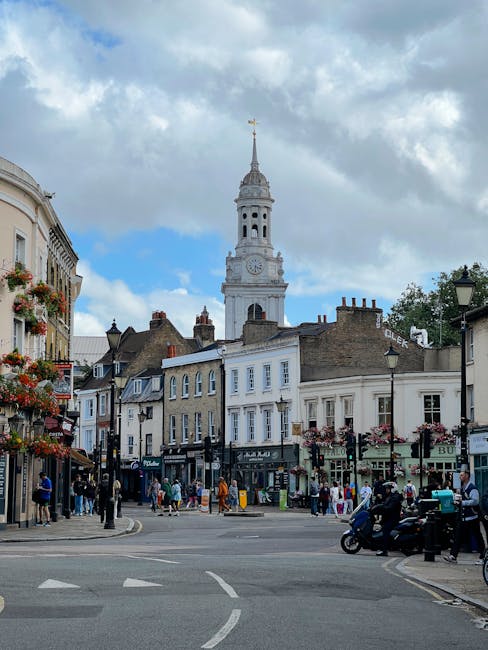
Greenwich removals near Cutty Sark and Greenwich Market: a practical local guide
If you are planning Greenwich removals near Cutty Sark and Greenwich Market, you already know this part of London is a little different. Busy pavements, historic streets, weekend crowds, one-way roads, awkward loading spots, and the usual "where do I even park the van?" headache. It can be done smoothly, though. With the right planning, the right vehicle, and a team that understands the area, a move around Greenwich can feel far less stressful than people expect.
This guide walks through what local removals involve, why location matters, how to plan properly, and where the hidden problems usually appear. It also gives you a few grounded, real-world tips so you can move without the last-minute panic that tends to arrive at 8:15 on moving morning. Truth be told, that panic is rarely about the boxes.
Table of Contents
- Why Greenwich removals near Cutty Sark and Greenwich Market Matters
- How Greenwich removals near Cutty Sark and Greenwich Market Works
- Key Benefits and Practical Advantages
- Who This Is For and When It Makes Sense
- Step-by-Step Guidance
- Expert Tips for Better Results
- Common Mistakes to Avoid
- Tools, Resources and Recommendations
- Law, Compliance, Standards, or Best Practice
- Options, Methods, or Comparison Table
- Case Study or Real-World Example
- Practical Checklist
- Conclusion
- Frequently Asked Questions
Why Greenwich removals near Cutty Sark and Greenwich Market Matters
Moving in central Greenwich is not the same as moving from a quiet suburban side street with a generous driveway. Near Cutty Sark and Greenwich Market, the streets are often more constrained, parking is tighter, and the rhythm of the area changes throughout the day. A morning move can feel calm; by late morning the footfall rises and everything slows down a bit. You notice it immediately.
That matters because removals are built around timing. If a van cannot stop close enough to the property, the crew spends more time carrying items. If your block has narrow access or shared entrances, you need a plan for stairs, lifts, and timing with neighbours or building management. If you have a fragile item, a piano, or a wardrobe that barely fitted in the first place, the route from front door to van becomes a real issue, not a small detail.
There is also a practical cost angle. Local removals are often more efficient when the crew knows the roads, the likely pinch points, and the best time window for loading. That can reduce wasted time and help the day stay on track. If you want a wider feel for the area before moving, the guide to Greenwich as a local neighbourhood is a useful companion read.
Key takeaway: in this part of Greenwich, a smooth move depends less on luck and more on planning for access, parking, timing, and the way the area actually works on the ground.
How Greenwich removals near Cutty Sark and Greenwich Market Works
A local removal usually starts with a simple assessment: what needs moving, how much there is, and where everything is going. From there, the job is matched to the right team and vehicle. In many cases, that means choosing a man and van style service for smaller or medium-sized moves, or a larger removal van for fuller house moves and heavier furniture.
The process is straightforward, but the details matter. A good local mover will usually ask about property access, floor level, parking restrictions, fragile items, and whether storage is needed between addresses. If you are moving out of a flat near the market, for example, the loading point might be a short walk away rather than right outside the front door. That changes the whole rhythm of the day.
Some removals are completed in one run. Others need a staged approach, especially if your new place is not ready yet or if you are downsizing. In those cases, storage can be a very sensible bridge. For customers needing a temporary holding option, secure storage in SE10 can fit neatly into the moving plan.
A typical local move might look like this:
- You share the inventory, dates, and access details.
- The removal team recommends the most suitable vehicle and crew size.
- Parking and loading are planned around the area's constraints.
- Items are wrapped, carried, and loaded in a sensible order.
- Everything is delivered and placed where it belongs at the destination.
That sounds basic, and in fairness it is. But the quality of a move often comes down to how carefully those basics are handled.
Key Benefits and Practical Advantages
There are a few reasons people choose local removals near Cutty Sark and Greenwich Market instead of trying to manage everything themselves with a borrowed van and a lot of optimism.
1. Better route and access awareness
A local team tends to know which streets are awkward, where stopping is realistic, and which times are easier for loading. That can save time and reduce stress, especially in a busy tourist and residential pocket like central Greenwich.
2. More suitable vehicle choice
Not every move needs a full-size lorry. A smaller vehicle can be smarter if the streets are tight or if the move is a flat-to-flat transfer. For lighter moves, a SE3 man with a van option or a man and van service around SE10 and SE3 can be a practical fit.
3. Less lifting, less hassle
People often underestimate the physical side of removals. It is not just about boxes. It is the tall mirror, the sofa that catches on the corner, the awkward lamp, the plant you somehow forgot until the last minute. Professional help means fewer collisions and fewer "why did I think this would fit?" moments.
4. Better handling of fragile or valuable items
If you are moving artwork, glass, electronics, or antiques, packing quality becomes crucial. A careful crew uses the right wrapping, protects corners, and loads items in a stable order rather than just shoving everything into the van and hoping for the best. That would be a bad plan. A very bad plan.
5. Easier coordination for busy households
If you are moving with children, pets, or tight work commitments, local removals can simplify the day. You can focus on keys, paperwork, and settling in while the heavy work is handled properly.
| Move type | Best fit | Why it works well |
|---|---|---|
| Studio or one-bed flat | Man and van | Flexible, efficient, and often ideal for local access constraints |
| Two-bed flat or small house | Removal van with crew | More space, better for larger furniture and multiple trips |
| Move with timing gap | Removal plus storage | Helps if keys, renovations, or completion timing do not align |
| Busy street access | Smaller vehicle and tighter schedule | Easier loading when stopping space is limited |
Who This Is For and When It Makes Sense
This kind of removal service is a strong fit for a few different people. Not everyone needs the same setup, and that is fine. A good mover should be able to match the job to the reality of the property rather than forcing everything into a one-size-fits-all approach.
- Flat movers in central Greenwich who need a practical solution for narrow streets and limited parking.
- Homeowners moving within SE10 or nearby areas who want a smoother transfer between addresses.
- Renters who need help on a deadline, especially around tenancy end dates.
- People downsizing who may need storage while they decide what stays.
- New arrivals to Greenwich who want the move handled quickly and with less disruption.
- Business or studio relocations involving furniture, files, equipment, or stock.
It also makes sense if you are in a slightly awkward overlap stage. Maybe your completion date has shifted. Maybe the new flat is ready but not quite empty. Maybe you are staying local but moving from one property with no lift to another with a flight of stairs that looks longer every time you carry a box up it. That happens.
For readers thinking beyond the move itself, our local perspective on living in Greenwich gives a helpful sense of what daily life in the area feels like once you are settled.
Step-by-Step Guidance
If you want a move near Cutty Sark and Greenwich Market to go well, structure helps. Here is a practical way to approach it.
Step 1: Make a proper inventory
Write down what is moving. Be honest about the awkward items too. That extra chair in the corner? Include it. The garden tools, printer, bike, and bag of random cables? Yes, those count. The clearer the list, the easier it is to match the job size.
Step 2: Check access before the move date
Look at the front door, stairwell, lift, hallway turns, and parking situation. If you live above street level, measure the route for larger items. A wardrobe that looks fine in your room can become a different story on a tight stair landing.
Step 3: Decide what needs specialist handling
Fragile mirrors, TVs, marble tops, bikes, and antiques may need more wrapping or a different loading order. If in doubt, say so early. Nobody benefits from discovering fragility halfway through the loading process.
Step 4: Choose the right moving method
For smaller local jobs, a SE10 removal van option can be a good match. For larger or more complex moves, a Greenwich removal company serving SE3 and SE7 may be the better fit, especially if you need more structure around packing, carrying, and delivery.
Step 5: Pack in the order of use
Pack rooms logically and label boxes clearly. Put essentials in a separate bag or box. Think kettle, chargers, tea, toiletries, medication, and one set of bedding. Moving day is not the time to discover the kettle is somewhere under "miscellaneous."
Step 6: Protect the property as well as the furniture
Door frames, floors, and bannisters matter. A careful team protects both your belongings and the building. That is especially useful in older Greenwich properties where original features can be charming, but also a bit unforgiving.
Step 7: Settle delivery order in advance
Tell the movers which rooms should be prioritised. If the bed goes in first, the night becomes easier. If the desk is needed for remote work, say so. Small priorities make a big difference later.
Expert Tips for Better Results
After enough local moves, a few patterns become obvious. The jobs that go smoothly are rarely the ones with the fanciest plan; they are the ones with the clearest plan.
- Move early in the day if possible. Near the market, foot traffic builds through the morning. An early start often gives you better access and calmer loading.
- Use colour-coded labels. It sounds basic, but it saves time when multiple rooms are involved.
- Keep one "do not pack" zone. This can be a small table or corner for keys, chargers, documents, snacks, and anything you need by hand.
- Photograph complicated furniture before dismantling. That one tiny screw that disappears? It always disappears.
- Tell the crew about access quirks. Low archway? Tight stair bend? Wobbly lift? Mention it. No drama, just say it plainly.
- Use storage if your dates do not line up. It is better to stage the move calmly than to cram everything into a bad timetable.
One small but useful habit: keep a basic notebook or note app open for the move. Write down where things are placed and any item that needs follow-up later. You will thank yourself at 9pm when you are trying to find the coffee grinder.
If you want a slightly broader local read, the article on real estate transactions in Greenwich is useful context for people moving because of a sale or purchase.
Common Mistakes to Avoid
Most moving problems are avoidable. Not all, but most. And a lot of them are small decisions made too late.
- Underestimating parking difficulty. In central Greenwich, assuming the van can just stop outside is a risky move.
- Forgetting access details. A small staircase can create a big delay if nobody mentions it beforehand.
- Packing too loosely. Loose boxes collapse. Collapsed boxes become wasted time and broken items. Simple as that.
- Leaving essentials in random bags. Then the kettle vanishes, the documents vanish, and the day gets unnecessarily scrappy.
- Choosing the wrong vehicle size. Too small means extra trips. Too large can be awkward in tight streets.
- Ignoring building rules. Some blocks have specific move times or lift booking procedures. It is worth checking.
A slightly funny one, though not at the time: people sometimes pack the most important box in the house and label it "misc." That box then becomes a mystery novel no one asked for.
Tools, Resources and Recommendations
You do not need a mountain of equipment to move well, but a few practical items make a real difference.
Useful packing tools
- Strong tape and a proper dispenser
- Permanent markers for labels
- Bubble wrap or paper for breakables
- Furniture covers or blankets
- Zip bags for screws, cables, and small fittings
- Mattress covers if the bed is being moved
Useful planning habits
- Confirm the moving date and time in writing.
- Keep keys, documents, and payment details accessible.
- Check whether anything needs dismantling before the crew arrives.
- Plan for refreshments, especially if the move is longer than expected.
Local service options worth considering
If you are moving within the area, the right support can depend on scale. A smaller transfer may suit movers for SE3 and SE10, while a more involved relocation may benefit from a fuller service backed by local experience. If your plans include a temporary gap, storage can be added neatly rather than treated as an afterthought. That is often the difference between a rushed day and a manageable one.
For people comparing different Greenwich move types or planning around property timing, the Greenwich real estate guide can also provide useful context on why local timing matters so much.
Law, Compliance, Standards, or Best Practice
For removals in London, most of the practical compliance issues are common-sense and operational rather than complicated legal theory. Still, they matter.
First, parking and loading should be planned responsibly. In busy public areas, drivers and crews need to avoid blocking access, keeping pedestrians safe, and staying within local restrictions. If parking permits or building permissions are needed, those arrangements should be handled in advance where possible. It may feel boring. It is boring. But it prevents a lot of grief.
Second, items should be handled with reasonable care and appropriate wrapping. That is part of normal professional practice. Good movers also protect floors, corners, and doorways where appropriate, especially in older properties or shared buildings where damage can become expensive very quickly.
Third, if you are moving certain high-value or sensitive items, it is sensible to clarify what the service covers before moving day. That includes dismantling, reassembly, storage handover, and any limitations around fragile or unusually heavy items.
Finally, for tenants, landlords, and leasehold properties, building-specific rules can matter. Some blocks in Greenwich operate move-in or move-out windows, lift booking rules, or noise expectations. None of this is exotic, but it is worth checking early rather than discovering it while the sofa is halfway through the hallway.
Best practice is simple: plan access, protect the property, and make sure everyone understands the timetable before the first box is lifted.
Options, Methods, or Comparison Table
Choosing the right removal method is often more useful than choosing the cheapest sounding one. A move that suits the property and the volume of items usually ends up being better value overall.
| Option | Best for | Strengths | Watch-outs |
|---|---|---|---|
| Man and van | Small flats, single-room moves, local transfers | Flexible, efficient, often cost-conscious | Less suitable for large households or many bulky items |
| Removal van with crew | Two-bed homes, furniture-heavy moves | More space and capacity, better for larger jobs | May need more careful access planning in tight streets |
| Removal plus storage | Delayed completion, downsizing, renovation gaps | Creates breathing room and reduces pressure | Needs extra coordination and clear labelling |
| Self-managed van hire | Very small jobs with lots of personal time | Can seem cheaper at first glance | More physical work, more risk, more time, more stress |
For many people near Cutty Sark and Greenwich Market, the middle option is the sweet spot: enough help to make the day smooth, without overcomplicating the job. That said, if dates are messy or the move involves more than one property, storage is often the sensible answer. No shame in that at all.
Case Study or Real-World Example
Here is a realistic example based on the kind of move local teams handle all the time.
A couple moving from a one-bed flat near Greenwich Market to another property a short distance away had three concerns: a narrow stairwell, limited loading access, and a completion date that could shift by a day or two. On paper, it sounded minor. In practice, it could have turned into a messy, all-day delay.
They prepared a simple inventory, separated fragile items, and booked a smaller vehicle rather than assuming a large van would be faster. They also flagged the staircase in advance and arranged storage as a backup in case the timing slipped. On the day, the move stayed calm because the awkward parts had already been discussed. Boxes went out in a sensible order, the bed arrived first, and the essentials box was easy to find. A small thing, but a very welcome one.
The key lesson was not that the move was unusually easy. It was that the hard parts had been anticipated. That is often what a good Greenwich removal looks like in real life: not flashy, just well-managed.
Practical Checklist
Use this checklist before moving day. It saves headaches, honestly.
- Confirm the move date, time, and access arrangements.
- Check parking or loading restrictions near both addresses.
- Make a full room-by-room inventory.
- Label boxes clearly by room and priority.
- Pack a separate essentials bag.
- Protect fragile items with suitable wrapping.
- Dismantle furniture only if needed and keep fittings together.
- Tell the movers about stairs, lifts, narrow halls, or awkward corners.
- Arrange storage if dates or space are uncertain.
- Keep keys, documents, and contact details to hand.
- Reserve time for cleaning and final checks.
Simple rule of thumb: if it would frustrate you on moving day, deal with it the day before. That goes for parking, packing, paperwork, and the missing charger you know is somewhere.
If you are still comparing the right level of help, the company's about us page is a sensible place to understand the approach and service style before you book.
Conclusion
Greenwich removals near Cutty Sark and Greenwich Market are easiest when you treat them as a local logistics job, not just a furniture shuffle. The streets, parking, building access, and timing all matter. Once those pieces are handled properly, the rest becomes much more manageable.
Whether you are moving a flat, a family home, or a smaller set of belongings between nearby addresses, the best result usually comes from clear planning, the right vehicle, and a crew that understands the area. Keep the process calm, keep the essentials close, and do not leave the tricky bits until the last minute. Moving is rarely glamorous, but it can be a whole lot smoother than people fear.
Get a free quote today and see how much you can save.
And once the boxes are in and the kettle is on, you get to enjoy Greenwich properly again: the river air, the market energy, and that very satisfying moment when the hard part is done.
Frequently Asked Questions
What makes removals near Cutty Sark and Greenwich Market more complicated?
The main issues are parking, pedestrian traffic, narrow access, and busy streets. The area is beautiful, but it is not always the easiest place to load a van quickly.
Is a man and van service enough for a Greenwich flat move?
Often, yes. For smaller flats or lighter loads, a man and van service can be the most practical choice. For larger homes or heavier furniture, a bigger removal setup may be better.
How far in advance should I book a local removal?
As early as you reasonably can, especially if your move is happening at month-end or during a busy weekend period. Local access constraints make timing even more important.
Can removal teams help with storage if my dates do not line up?
Yes, storage is a useful option when completion dates change or you need extra time between properties. It can remove a lot of pressure from the move.
What should I tell the removals company before moving day?
Share the inventory, the number of floors, lift access, parking details, fragile items, and any awkward furniture. The more they know, the better they can plan.
Do I need to dismantle furniture before the movers arrive?
Not always. Some furniture should be dismantled if it will not safely fit through the route, but many movers can help with that if it is discussed in advance.
How do I avoid delays on moving day in central Greenwich?
Start early, confirm parking arrangements, keep essentials ready, and label boxes well. Small details matter a lot in busy areas.
What kind of properties usually need the most care in Greenwich?
Older flats, top-floor properties, and buildings with narrow stairwells or limited lift access often need the most careful planning.
Is it worth using storage if I am only moving locally?
If your timing is uncertain or your new place is not fully ready, yes. Storage can be a sensible bridge even for a short local move.
How can I make sure fragile items are protected properly?
Use proper wrapping, keep breakables separate, and tell the movers exactly what needs extra care. Good packing is a big part of safe transport.
Are there differences between moving in SE10 and nearby areas?
Yes, mostly in access patterns, building types, and street conditions. Nearby postcodes can still feel quite different on the ground.
What is the best first step if I am planning a move near Greenwich Market?
Make your inventory and check access. Those two steps usually clarify everything else quickly, and they help you choose the right moving method without guesswork.